
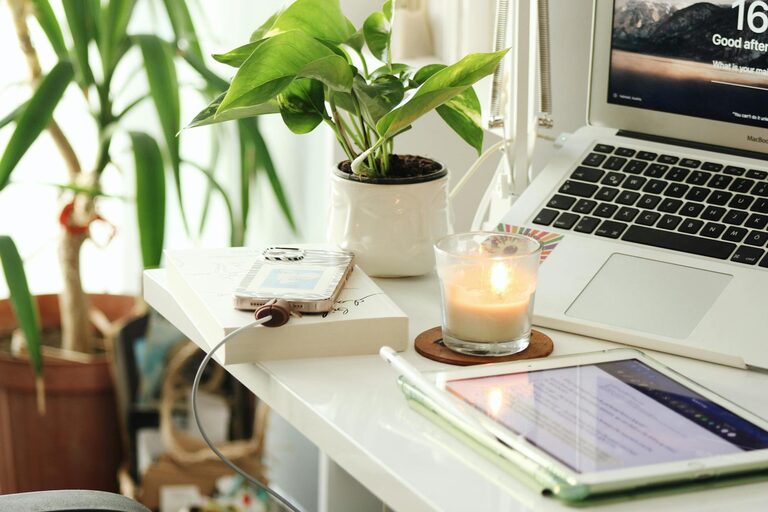
Creating a home office that feels both cozy and productive is essential for anyone who works from home or spends significant time on personal projects. A well-designed workspace can help you stay focused, reduce stress, and even improve your overall well-being. Whether you have a small corner in your living room or a dedicated room to work in, these tips will guide you in setting up a home office that balances function and comfort.
1. Choose the Right Location
Consider Natural Light
Natural light is one of the best ways to create a bright, inviting environment. Set up your desk near a window to enjoy sunlight during the day. This not only helps reduce eye strain but also supports your mood and energy levels.
Minimize Distractions
Look for a quiet space away from household noise and foot traffic. If you don’t have a separate room, try using room dividers or noise-cancelling headphones to help keep distractions at bay.
2. Pick Comfortable and Functional Furniture
Invest in a Good Chair
A comfortable, ergonomic chair can prevent back pain and keep you focused for longer periods. Adjustability is key—look for chairs with lumbar support, adjustable height, and armrests.
Desk Matters
Choose a desk that fits your space and work style. Standing desks or adjustable desks allow you to change your posture throughout the day, which can boost circulation and reduce fatigue. If space is limited, compact desks with storage options can be a great choice.
3. Organize with Purpose
Declutter Regularly
Keeping your desk clear helps reduce mental clutter. Designate storage spaces for documents, supplies, and electronics. Use drawer organizers, filing cabinets, or shelves as needed.
Use Planning Tools
Put a calendar, planner, or a whiteboard within reach to keep track of deadlines and tasks. Visual reminders can improve time management and help you stay on top of priorities.
4. Personalize Your Space
Add Touches of Comfort
Items like soft throw blankets, cushions, or a cozy rug can make your workspace more inviting. These touches soften the look and make it feel like a space you want to be in.
Include Plants
Indoor plants are wonderful for boosting mood and air quality. Small potted plants or succulents can fit on your desk without taking up too much room.
5. Enhance Lighting and Ambiance
Layer Your Lighting
Combine natural light with task lighting and ambient lighting. A desk lamp with adjustable brightness can be helpful for focused work. Warm lighting tends to feel more cozy and relaxing, perfect for late work sessions.
Control Noise and Temperature
If possible, maintain a comfortable temperature and minimize noise disturbances. Soft background music or white noise machines can help create a consistent and calming atmosphere.
6. Manage Technology Efficiently
Organize Cables
Use cable clips, sleeves, or wireless accessories to keep cords neat and out of the way. A clutter-free desk helps maintain a clear mind and prevents frustration.
Invest in Quality Equipment
Good quality hardware like your computer, keyboard, and mouse can enhance your comfort and productivity. Consider noise-cancelling headphones for online meetings or background music.
7. Incorporate Break Areas and Movement
Create a Space to Step Away
If your office layout allows, include a small seating area or a standing spot where you can take short breaks. Stretching or stepping away from your desk can prevent burnout.
Use Movement to Boost Energy
Try adding a balance ball chair, footrest, or standing mat to encourage gentle movement throughout the day. This can improve circulation and keep your energy up.
—
Building a home office that is both cozy and productive takes some planning, but the benefits are well worth the effort. When your workspace feels welcoming and tailored to your needs, it encourages focus and creativity. Whether you’re working on a full-time job or just managing household tasks, a thoughtfully designed office will help you get things done in comfort and style.