
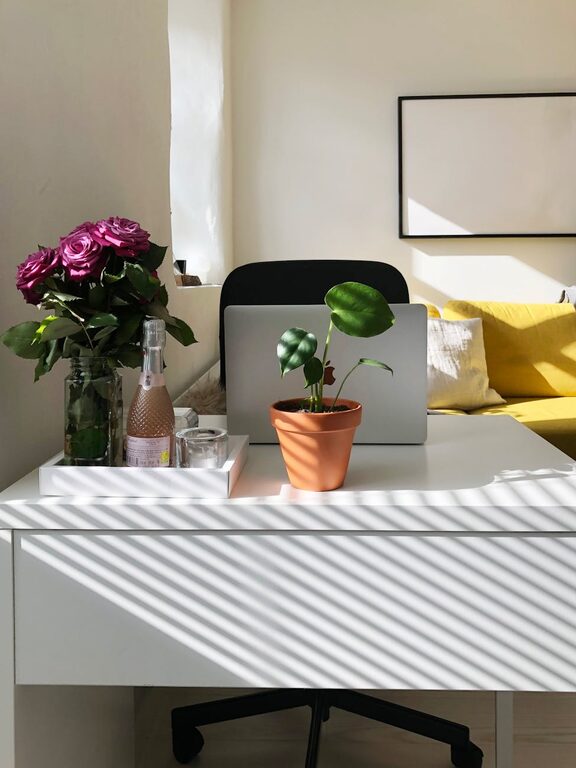
Creating a productive home office environment is essential for anyone working or studying from home. A well-designed workspace can improve focus, reduce distractions, and increase overall efficiency. Whether you have a dedicated room or just a small corner of your living space, applying thoughtful strategies can help transform it into a functional and inviting office area. This post will guide you through practical tips to create a productive home office that suits your needs.
Choose the Right Location
Finding the right spot for your home office is the first step. Ideally, your workspace should be quiet and away from high-traffic areas in your home to minimize interruptions.
– Separate Space: If possible, dedicate a specific room for your office. This helps psychologically separate work and personal life.
– Natural Light: Position your desk near a window to benefit from natural daylight, which can boost mood and energy.
– Ventilation: Ensure good airflow to keep the environment fresh and comfortable.
If space is limited, even a corner with a room divider or a privacy screen can create a sense of separation.
Invest in Ergonomic Furniture
Comfort is key to maintaining productivity and avoiding strain or injury during long hours at your desk.
– Ergonomic Chair: Choose a chair with adjustable height and lumbar support to promote good posture.
– Proper Desk Height: Your desk should allow your elbows to be at a 90-degree angle when typing.
– Monitor Placement: Position your monitor at eye level to prevent neck strain.
Adding a footrest or a standing desk option can also provide variety and reduce fatigue.
Keep Your Space Organized
Clutter can distract and reduce focus. Organizing your home office helps maintain mental clarity and efficiency.
– Storage Solutions: Use shelves, filing cabinets, or storage bins to keep documents and supplies tidy.
– Minimalist Desk Setup: Keep only the essentials on your desk to avoid feeling overwhelmed.
– Cable Management: Use clips or cable sleeves to keep cords neat and out of the way.
Regularly declutter your space to keep it fresh and functional.
Use Proper Lighting
Good lighting reduces eye strain and keeps you alert.
– Ambient Lighting: Overhead lighting should evenly illuminate the room without causing glare.
– Task Lighting: A desk lamp with adjustable brightness can help you focus on specific tasks.
– Avoid Screen Glare: Position lighting to prevent reflections on your computer screen.
If natural light is limited, consider full-spectrum bulbs that mimic daylight.
Minimize Distractions
Creating boundaries and managing distractions is vital when working from home.
– Set Boundaries: Inform family or housemates about your work hours to limit interruptions.
– Noise Control: Use noise-cancelling headphones or white noise machines if your environment is noisy.
– Limit Phone and Social Media Use: Keep personal devices out of sight or use apps to block distracting sites during work time.
Establishing a routine can also help condition your mind for focused work periods.
Personalize Your Workspace
Adding personal touches can make your office more inviting and motivating.
– Decor: Use artwork, plants, or photos that make you feel calm and inspired.
– Colors: Choose colors that promote productivity; blues and greens are often recommended for their calming effects.
– Comfort Items: Keep a cozy blanket, a water bottle, or a small fan nearby to enhance comfort.
Personalization helps create a space where you want to spend time.
Use Technology Wisely
Leverage tools and gadgets that enhance your work efficiency without contributing to clutter.
– Reliable Internet: A strong, stable internet connection is essential.
– Quality Equipment: Use a good keyboard, mouse, and headphones.
– Organizational Apps: Tools like calendars, task managers, and note-taking apps can keep you on track.
Regularly update your software and maintain your devices for smooth operation.
Establish a Daily Routine
Structure helps maintain productivity and separates work life from personal time.
– Set Working Hours: Define clear start and end times for your workday.
– Scheduled Breaks: Take short breaks to stretch or move around, reducing fatigue.
– Task Prioritization: Use to-do lists or planners to organize daily tasks by priority.
Consistency helps your mind adapt to the work environment, improving focus.
Keep Your Workspace Clean
A clean environment positively affects your mood and productivity.
– Daily Tidying: Spend a few minutes each day organizing your desk and surroundings.
– Regular Cleaning: Dust, vacuum, and sanitize your space weekly to maintain a healthy environment.
A clean workspace invites creativity and focus.
—
Creating a productive home office environment requires a balance of comfort, organization, and personal touches. By choosing the right location, investing in ergonomic furniture, managing distractions, and establishing routines, you can develop a workspace that supports your best work. Remember, small adjustments can make a significant difference in your daily productivity and overall work experience.